
From Prototype to Production: When to Move from 3D Printing to Injection Molding
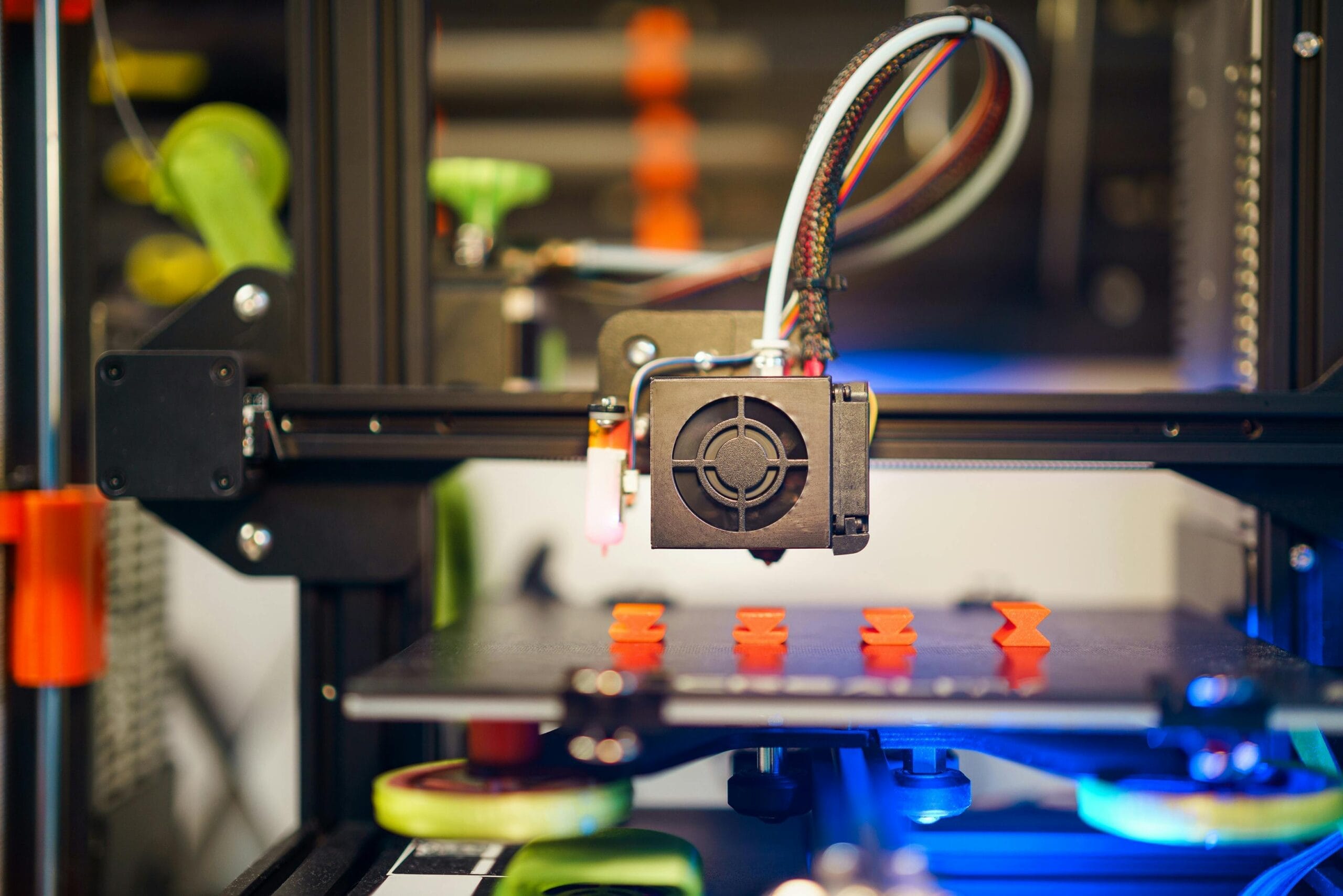
3D printing is usually the first technology that comes to the rescue when one is trying to develop a completely new product, besides that it is cheap, efficient and one does not have to invest in professional equipment. However, this is only one side of the coin.
At the same time, the majority of successful product-based businesses come to a point when the cost of 3D printed parts outweighs the cost of commercially produced injection molded parts.
The Strength of 3D Printing: Early Development
3D printing is really the best choice for the “failing fast” phase of the design process. In fact it is most suitable if:
- The design is still changing: You are in the process of adjusting the form, size, or purpose.
- Working fast is the most important thing: You need a prototype right away for a board meeting or for a fit test.
- You want very small amounts: You just want to get 5 or 10 pieces to test the idea.
- You want to make the least risky decision: You are not willing to spend a huge amount of money on a metal mold yet.
During these initial stages, 3D printing serves as an excellent transition. However, the very features that make 3D printing wonderful get transformed into disadvantages as your order quantity increases.
Where 3D Printing Falls Short
As you move toward full production, the limitations of 3D printing become clear:
- High Cost per Part: While there is no “tooling cost” for 3D printing, the price of each individual part stays high. It costs roughly the same to print the 1,000th part as it did the 1st.
- Slow Throughput: Printing is a slow, layer-by-layer process. If you suddenly need 5,000 parts to fulfill a new contract, 3D printing will struggle to keep up.
- Inconsistent Quality: Printed parts often have “layer lines.” They might also vary slightly from one batch to the next, which can be a nightmare for high-precision assemblies.
- Material Limits: Most 3D printers use specialized resins or filaments. These are great for prototypes, but they often lack the chemical resistance, UV stability, or sheer strength of real-world production plastics.
5 Signs It’s Time to Switch to Injection Molding
There is no definite “magic number” of parts that automatically leads to the switch, but these five indications are quite stern that you should switch to injection molding:
- Your Volume is Rising
If you are going from around a “dozen” to “hundreds or thousands, ” the figures start to switch. In fact, injection molding necessitates a first-time outlay (tooling), yet the cost of each item made drops to a small fraction of the cost of a 3D-printed one. After some time, the mold will be the one that pays the bills by itself.
- You Want Perfect Uniformity
Injection molding is designed for reproduction. Once the “process” is settled 10 000th piece will be a copy of the 1st. So, if your item has to have very precise measurements or must have a perfect appearance, then molding is the best option.
3. You Need “Real” Materials
Is your part going to be hidden in a car engine, where it has to function well even under very harsh conditions? Could it be that it needs to be made to medical standards or be fire-resistant? Through injection molding, you can use metal materials that have been tested to comply with the highest requirements, such as flame retardancy, which 3D printers are not capable of. In fact, injection molding is a method that gives you access to thousands of engineering-grade thermoplastics that 3D printers simply can’t handle.
4. The Design Has Stabilized
You are changing your 3D model several times per week, but you are going to stop at some point, right? That way, the biggest “risk” of injection molding the cost of changing a metal mold will be eliminated. In fact, a stable design is considered a green light for production tooling.
5. You Need to Scale
Fast Injection molding cycles are measured in seconds, not hours. So if your product suddenly becomes a hit, an injection mold can produce thousands of parts per day, thereby ensuring that you will never be out of stock.
The Middle Ground: Low-Volume Injection Molding
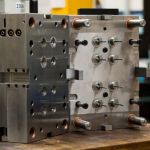
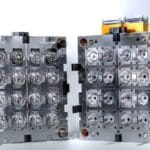
Some firms believe that their choices are limited to just “3D printing” or “1 million parts. ” However, there is an alternative: low-volume injection molding. We could design a mold that is almost tailor-made for a “pilot run” or a “bridge tooling” through the use of smart tooling methods. Essentially, it means that you can get production-quality parts and reduce costs without having to make the huge investment of a multi-cavity steel mold for high-volume production.
Critical Questions to Ask Your Team
In practice, teams often overlook the real-world impact before launching like:
· Customers complain about the printed parts’ look and feel.
· How many will we actually sell next year?
· Is the per-part cost shrinking our margins?
· Has the design settled into its final form?
Final Thoughts
At Montrose Molders, we’re not seeing 3D printing and injection molding as competitors at all. 3D printing helps you arrive at the start line while injection molding is what gets you to the finish line. If you are regularly buying the same 3D-printed parts, it is quite likely that you are leaving money behind.
Would you like a look if your design is ready for the big leagues? Contact us for a free design review. We will examine your volumes and costs to figure out the right time to make the switch.