
Understanding SPI Injection Mold Finishes: What They Are and Why They Matter
Most people, when explaining injection molding, think only about how plastic is shaped. Still, the look and feel of a piece are as essential as its shape. This is the role of SPI mold finishes. These uniform surface finishes indicate the degree of smoothness, texture, or dullness of a molded plastic representative part right out of the molding process.
If you are a product designer, a buyer, or just exploring the field, knowing about SPI finishes will enable you to make more informed choices and express yourself efficiently with your molder.
What Are SPI Mold Finishes?
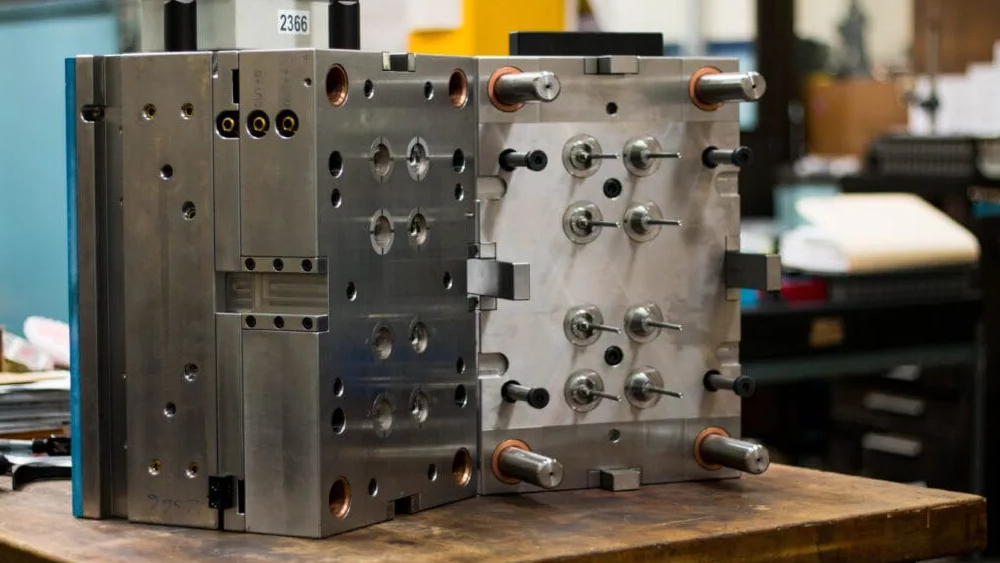
The Society of the Plastics Industry (SPI) has come up with a list of standard finish grades that define the surface texture of an injection mold cavity. Direct contact is made between molten plastic and the mold surface, so the finish on the mold surface is essentially imprinted on the surface of all the parts manufactured.
SPI finishing grades are grouped into four main categories namely A B, C and D, which vary from the highest gloss to the roughest most textured surface. Each category consists of different sub-grades to help with more accurate specification.
The Four SPI Finish Categories
Category A- High Gloss Finish
Grades: A-1, A-2, A-3
Method: Diamond buffing
Appearance: Bright, mirror-like, highly reflective surface
Best for: Optical lenses, cosmetic packaging, display items, premium consumer products
A-1 is the highest gloss level possible and the finishing work leading to it is the most complicated. These types of finishes also require very hard tool steel to be able to hold the polish over long production runs.
Category B- Semi-Gloss Finish
Grades: B-1, B-2, B-3
Method: Fine stone or sandpaper finishing
Appearance: Soft, not reflective finish
Best for: General consumer goods, electronic housings, interior automotive parts
Category B finishes are a good compromise between the look and the functionality. They conceal small surface defects better than Category A and are also easier to keep clean.
Category C- Matte Finish
Grades: C-1, C-2, C-3
Method: Stone finishing using coarser grit
Appearance: Dull flat non-reflective surface
Best for: Industrial components, tool handles, parts where appearance is secondary to function
A matte finish is a very functional, affordable type of surface finish. It can also be advantageous as it helps to hide surface blemishes or flow lines that may have appeared during molding processes.
Category D- Textured Finish
Grades: D-1, D-2, D-3
Method: Dry glass bead or aluminum oxide blasting
Appearance: Rough, grainy, or pebbled texture
Best for: Grip surfaces, industrial parts, components that need paint adhesion or a rugged look
Category D are the finishes that come with the highest surface roughness of any grades. They work extraordinarily well when a part needs a texture that is also non-slip or when the surface will be over-molded or painted afterwards.
How SPI Finishes Connect to Define Injection Molding Properly
Injecting molding can be fully characterized only when a surface finish is included in the conversation at the very beginning. The finish you decide on will have an impact on:
Part Appearance- shine, texture, and overall visual quality
Tool material– highly polished finishes need steel that is hardened
Production cost– It takes more time and costs more to achieve a mirror-like finish
Part function– grip, paint adhesion and, according to finish grade, light reflection
If you specify a finish that is not suitable, the parts may end up looking so different from the brand, feeling wrong in hand, or not satisfying the function at all.
The Molders Definition and Surface Finish Expertise
The molder really helps in the definition in that they not only discuss with clients about shape and volume but also about other decisions by which the product can be made. A proficient molder will be able to advise you the suitable SPI finish given your selection of material, design of the part, job of the product, and the amount of money available in this way, they will be certain that the end product will be not only visually appealing but also functional.
Besides, professional molders know that a particular type of plastic may react in a different way to a finish of the same grade, and during the preparation of the tools and production phases, they also consider and include this fact.
Frequently Asked Questions (FAQs)
Q1. What is the difference between SPI finish grades A and D?
Category A finishes are characterized by a highly polished, mirror-like surface, which is accomplished through diamond buffing. On the contrary, category D finishes are rough and textured, resulting from bead blasting. They are intended for entirely different uses A for beauty, and D for utility or texture.
Q2. Does the SPI finish affect the cost of a mold?
Definitely. The highest gloss finish like A-1 demands not only more time and skill but also harder tool materials, resulting in a higher tooling cost. However, lower finish grades like C or D are usually less time-consuming and that means less expensive to achieve.
Q3. Can I change the mold finish after the tool is built?
Generally, yes but you will be limited to a rougher finish. Going from a shiny finish to a dull one is possible through re-machining; though, achieving a glossy finish from a dull one without significant rework is almost impossible. So, it is always advisable to specify the finish correctly from the beginning.
Q4. Does plastic material affect how a finish looks on the final part?
Yes, completely. Varied plastic types will have varied reactions to the exact same finish level. Chances are that a soft or flexible polymer would not be able to reflect a high gloss surface to the level that a stiff one could such as polycarbonate or ABS. A molder can help you in figuring out the compatibility of the material-finish.
Q5. How do I know which SPI finish is right for my part?
Just think about how the component is going to be used and viewed. If it is going to be a visible product, a gloss or semi-gloss finish is probably what you want. Parts for industrial usage or parts which are held by hand are best with the matte or textured finishes. Based on function, material and budget, your molder can be of assistance in making the choice.
Final Thoughts
SPI molds finishes are pivotal yet a very frequently neglected aspect of the injection molding process. These range from very smooth and shiny Category A surface to rough and worn out Category D one and each type of finish uniquely influences the part’s appearance, tactile quality, and functionality.
Choosing to collaborate with a knowledgeable molder who is familiar with the standards for surface finishes is the way to guarantee that your parts will be produced as expected – each and every time? A detailed discussion with your designer about the finishing requirements at the earliest stage of designing will save you from expensive changes later on.