
In plastics fabrication, the majority of focus is on the injection molding process components the equipment, materials and product. However, the long-term success of any injection molding program is established much further upstream; in the development of the tool for the injection mold. The decisions made during this process have a very lasting impact on the cost quality short-term and long-term lead time, and buildability in future imaging. This is the link that engineers, purchasing and OEMs need to understand.
What Is Tool Making in Injection Molding?
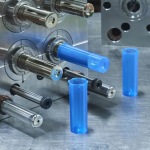
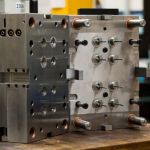
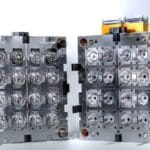
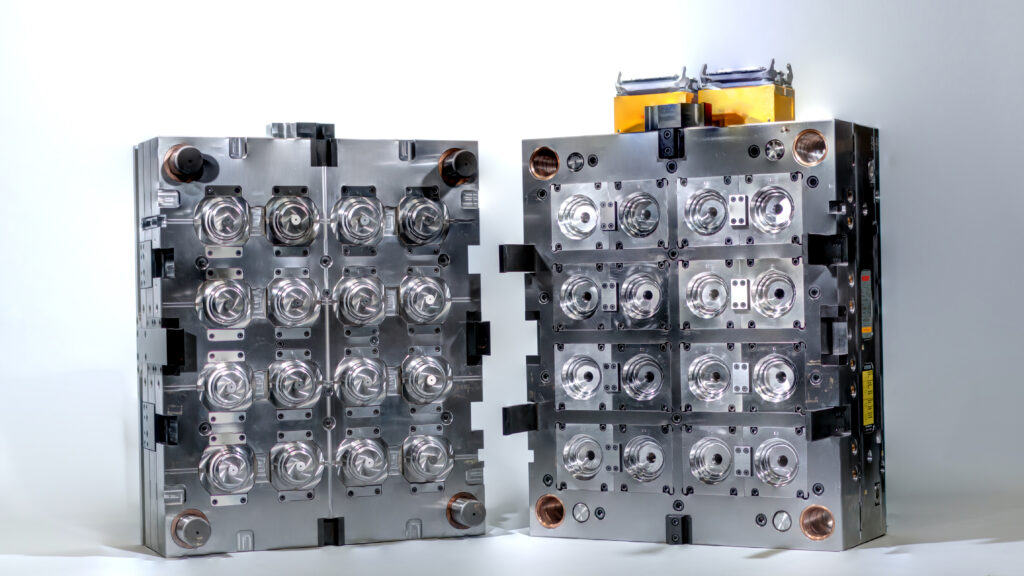
Tool making is the designing and building of the actual injection mold, which takes care of the injection molding process of individual plastic parts.
There are many technical issues involved, such as:
- Designing the cavity and core of the mold
- Engineering the cooling system
- Identify the gates locations
- Adding a slide/lifter dimensions and features
- Choosing proper materials for the tools (aluminum or steel)
The injection mold is far from just being part of the process it is where the whole manufacturing process begins.
All results downstream rely on how the tool is designed, and manufactured.
How Injection Mold Design Impacts Part Cost
Few truths are more important or more neglected in the injection mold process than price. Tool design determines price. There are a few major price components that are dictated by the mold:
- Cycle Time
The rate at which the Parts can be fabricated is set by the cooling system of the mold. Wells and other guidelines to prevent corrosion, were effective and result in shorter times to cool the component.
Cycle time is has a big impact on cost per part as the shorter the cycle time the lower the cost per part.
It is important to remember that even seemingly modest cycle time improvements can have significant cost savings over the duration of a production program.
- Complex mold features such as slides, lifters, and intricate parting lines increase:
- Costs for die-sets
- Maintenance requirements
- Risk of downtime to production unavailability of the processing capacity due to a failure or unavailability of one or more of the equipment or services needed to support it.
Simplifying the requirements of the mold design when possible helps minimize initial costs and long term costs.
- Scrap and Efficiency
Poor mold design can result in defects such as:
- Short shots
- Warpage
- Flash
These issues lead to material waste, rework, and reduced efficiency, all of which increase overall production costs.
How Tool Making Impacts Quality in Injection Molding
When things go wrong with the quality of an injection molded part, people tend to look to the mold rather than the machine or the operator. During tool making many important quality parameters are controlled as follows:
Gate Design
Improper gate placement can cause:
- Flow marks
- Preparation for weak structures
- Cosmetic imperfections
Cooling System Design
Uneven cooling can lead to:
- Warpage
- Internal strain
- Dimensional instability
Venting
Insufficient venting traps air inside the mold, resulting in:
- Burn marks
- Incomplete filling
A well-designed injection mold ensures consistent quality across thousands or even millions of production cycles.
The Hidden Link between Tool Making and Lead Times
Lead time in injection molding is determined not only by the time required to construct the mold, but also by how swiftly it is incorporated into stable production.
Poor Tool Design Leads To:
- Number of sampling iterations
- Unexpected modifications
- Delays in production approval
Strong Tool Design Enables:
- Quicker first-article acceptance
- Fewer modification during sampling
- Faster time to market
Perfecting a tool design can help to avoid delays and ready the production faster.
Common Injection Mold Design Mistakes
Many injection molding challenges can be traced back to common mistakes during tool making:
- Overcomplicated Tool Design
Additional slides or lifters do not add functional value but rather add cost and investment risk.
- Poor Gate Location
The well-known effects of incorrect gate placement are a poor cosmetic appearance on molded parts and poor strength and toughness of the finished parts.
- Inadequate Cooling
Cooling can be a factor over great effect on total cycle time and quality, but it is often overlooked.
- Ignoring Draft
Lack of adequate draft angles makes the parts hard to eject increasing the production of mold wear and producing rejects.
An early avoidance of the above pitfalls can significantly boost the success of an injection molding program.
How to Get Tool Making Right: A DFM Approach
The easier way to guarantee a success is to use the Design for Manufacturability (DFM).
Best Practices:
- Engage your injection molding partner early in the design phase
- Assess part geometry for manufacturability
- Ensure the tooling strategy is consistent with any volume of production
- Keep design as simple as possible
Early collaboration can also help identify risk areas and opportunities prior to the start of tooling, thus avoiding difficulties during production.
Why This Matters in Today’s Plastics Manufacturing Environment
Modern manufacturing demands:
- Faster lead times
- Greater flexibility
- Lower production costs
- Reliable supply chains
Programs that neglect tool making often face:
- Production delays
- Quality issues
- Unexpected costs
In contrast, companies that prioritize injection mold design gain a strong competitive advantage.
Final Thoughts
Injection molding may be a powerful manufacturing technique. However what really makes it is the tool.
- Tool making determines cost
- Tool design drives quality
- The injection mold controls efficiency
When performed properly it allows for the plastics production to be scaled up, predictable, and very inexpensive. The well thought out mold and mold design can not only have near immediate benefits but long term efficiencies as well.