
Montrose Molders

montrosemolders

Draft Angles in Injection Molding: Why They Matter More Than You Think

In injection molding, small design details often determine whether a part runs efficiently—or creates ongoing production problems. One of the most important of these details is the draft angle. Draft angles are frequently overlooked during part design, yet they directly impact: Part quality Tool life Cycle time Production cost Understanding and applying proper draft angles …

Draft Angles in Injection Molding: Why They Matter More Than You Think Read More »

Gate Design in Injection Molding: Types, Placement, and Impact on Part Quality

In injection molding, small design decisions can have a major impact on part quality, cost, and manufacturability. One of the most important—and often overlooked—of these decisions is gate design. The gate is where molten plastic enters the injection mold cavity, and its design directly affects: Material flow Part strength Cosmetic appearance Cycle time Defect risk …

Gate Design in Injection Molding: Types, Placement, and Impact on Part Quality Read More »

SPI Mold Classifications

SPI Mold Classifications Explained (Class 101–105): What OEMs Need to Know

When sourcing an injection mold, many OEMs focus on cost, lead time, and piece price. But one of the most important—and often overlooked—factors in plastics manufacturing is the SPI mold classification. These classifications define how a mold is built, how long it will last, and how it will perform over time. Understanding SPI mold classes …

SPI Mold Classifications Explained (Class 101–105): What OEMs Need to Know Read More »

Injection Molding

Cycle Time in Injection Molding: What It Is and Why It Drives Cost

In injection molding, there is one variable that has a greater impact on cost than almost anything else: Cycle time. While many OEMs focus on material costs or tooling investment, the reality is that cycle time is often the single biggest driver of piece price in plastics manufacturing. Understanding how cycle time works—and how to …

Cycle Time in Injection Molding: What It Is and Why It Drives Cost Read More »

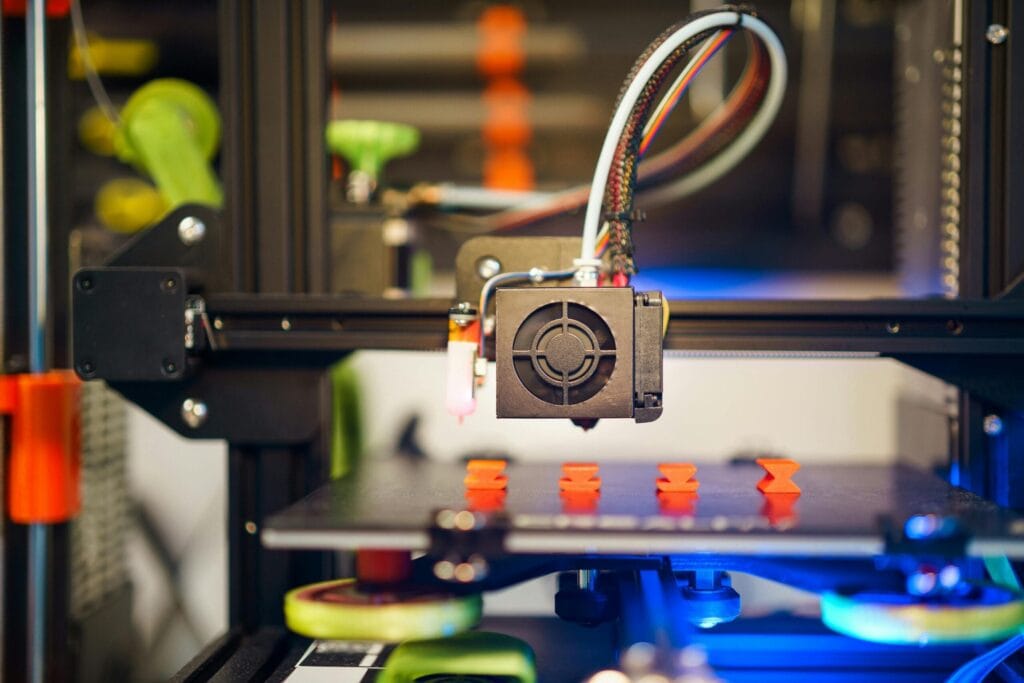
Detailed view of a 3D printer in action, fabricating small plastic pieces indoors.

When to Move from 3D Printing to Injection Molding

For many companies, 3D printing is the perfect place to start. It allows engineers, product developers, and startups to move quickly from concept to physical part without the time and expense of production tooling. It is ideal for prototyping, design validation, and early-stage product development. But there comes a point when 3D printing stops being …

When to Move from 3D Printing to Injection Molding Read More »

injection molding manufacturer

Injection Molding for Battery Applications: Materials, Design, and Manufacturing Challenges

As battery technology continues to expand across industries—from energy storage systems to industrial equipment and electric vehicles—the demand for high-performance plastic components has grown rapidly. At the center of this shift is injection molding, a critical process used to manufacture precise, durable, and safety-critical battery components at scale. But battery applications are not like typical …

Injection Molding for Battery Applications: Materials, Design, and Manufacturing Challenges Read More »

precision molding

How to Design an Injection Molded Part for Assembly (DFMA Guide)

When designing plastic components, many engineers focus on part geometry, material selection, and basic manufacturability. But one of the most overlooked opportunities for cost reduction and performance improvement is this: How the part will be assembled. Design for Assembly (DFA), often combined with Design for Manufacturability (DFM) as DFMA, is a critical discipline in injection …

How to Design an Injection Molded Part for Assembly (DFMA Guide) Read More »

Automation in Injection Molding: When It Reduces Cost (and When It Doesn’t)

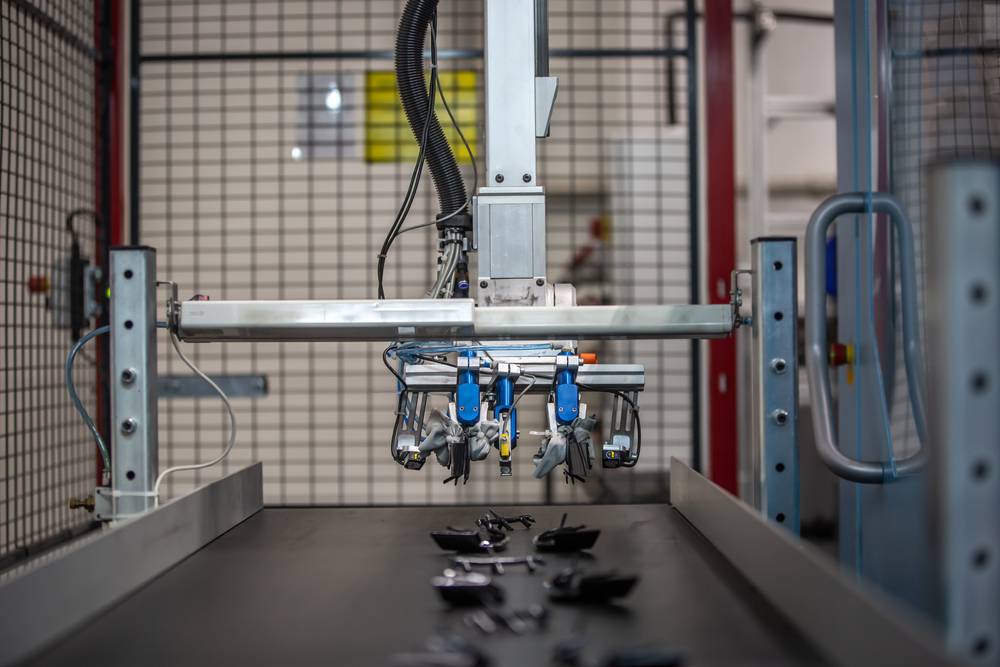
Automation has become one of the most talked-about trends in injection molding and plastics manufacturing. From robotic part removal to fully automated production cells, many manufacturers are investing heavily in automation with the goal of reducing cost and improving efficiency. But here’s the reality: Automation does not always reduce cost. In some cases, it delivers …

Automation in Injection Molding: When It Reduces Cost (and When It Doesn’t) Read More »

Injection Molding

How to Quote an Injection Molded Part: What OEMs Should Expect

For many OEMs, sourcing plastic components starts with a simple request: “Can you quote this part?” But behind every injection molding quote is a complex set of variables that determine cost, feasibility, and long-term success. Understanding how injection molding pricing works can help you: Make better sourcing decisions Avoid unexpected costs Compare suppliers more effectively …

How to Quote an Injection Molded Part: What OEMs Should Expect Read More »

made in america

Domestic vs. Overseas Injection Molding: Total Cost, Risk, and Lead Time Comparison

For many OEMs, sourcing plastic components comes down to a critical decision: Should we manufacture domestically or overseas? At first glance, overseas injection molding—particularly in Asia—can appear to offer a lower piece price. But as many companies have learned, piece price is only one part of the equation. When you factor in lead times, quality, …

Domestic vs. Overseas Injection Molding: Total Cost, Risk, and Lead Time Comparison Read More »