
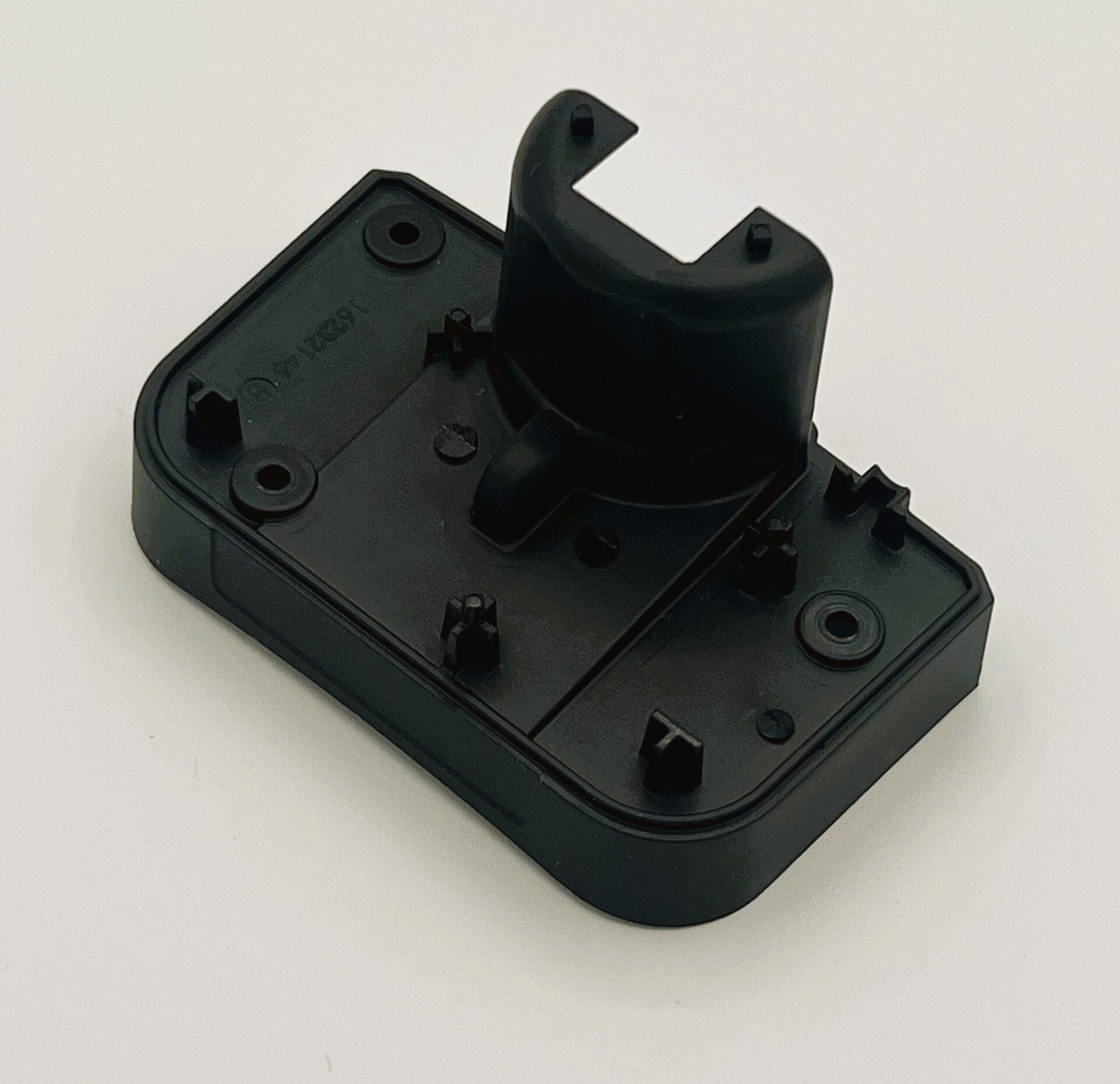
In injection molding, precision is paramount. A lot of individuals concentrate on the final form of a piece or the plastic material, but the most import decision happens the gate – the entry door to the mold. Montrose Molders Corp has witnessed how with a proper gate design the product turns out perfect while with a wrong gate design they end up having a lot of scrap. Here is a short rundown on the gate design and why it plays such an important role in the success of plastics manufacturing.
What is a Gate?
A good analogy for an injection molding process is that of a house. Before plastic reaches the mold cavity (a room), it flows through a chain of “hallways” (runners). The gate is the door – the final opening where the molten plastic is injected into the cavity to shape your part.
As it is the entry point, it regulates:
- Flow: How plastic runs to fill the area.
- Pressure: How much force is required to pack the plastic tightly?
- Appearance: Where plastic makes a very small mark (called a vestige).
- Strength: In what direction the plastic fibers are arranged.
Popular Gate Types and Their Uses
Not all entrances are identical. We pick different typical types of gates depending on the size and function of your part:
1. Edge Gate
This type is the one that is most widely used. The gate is positioned at the “edge” or side of the part.
Best for: Large components and simple shapes.
Pros: Designing and manufacturing are straightforward.
Cons: It produces a visible mark, which often needs to be removed either by hand or machine.
- Pin Gate
These are very small, circular gates that are usually located on the top or at the center of a part.
Best for:
High-volume production and parts with multiple cavities.Pros: Leaves a tiny mark (vestige) and works great with automated systems.
Cons: Not ideal for thick parts because the small opening can restrict flow.3. Submarine (Sub) Gate
This is why the name Submarine (Sub) Gate is given. This gate “tunnels” under the parting line of the mold.
Best for: High-speed automation.
Pros: The gate is automatically “sheared” or cut off when the part is ejected from the mold. No manual trimming required!
Cons: More complex to build into the metal tool.
- Hot Tip Gate
This kind of gate is part of “Hot Runner” systems. In this system, gates that are found in “Hot Runner” systems feed material directly into the part, meaning without a scrap runner being left behind.
Best for: Reducing wastage and achieve high-efficiency production.
Pros: No material is wasted; the surface finish is top-notch.
Cons: Mold for this method is costlier to build and maintain.
The Importance of Gate Placement
Selecting the position of your gate is equally significant to the type of gate you want to make the decision. Having the gate at the wrong place could possibly make you confronted with these four issues:
- Weld Lines: A knit line is formed when plastic flows around a hole and the two streams meet on the other side. Incorrect gating could result in these lines being not only unsightly but also structurally weak.
- Air Traps: If the molten plastic goes into the mold in such a way that air gets trapped in a corner, you will have a “burn” or a partially formed part.
- Fragile Sections: Usually, the gate area is the strongest part. Our aim is to locate the gates in such a way that the plastic flows and strengthens the main support areas of the part.
- Warpage: Filling a part unevenly can cause it to twist or “warp” as it cools down. Proper placement of the gate allows the part to remain flat and usable.
4 Common Mistakes in Gate Design
- Put it in the “Window”: Mounting the gate on a very visible surface where the customer will notice the brand.
- Making it Too Small: A gate that is too small causes the machine to use more pressure than needed, which can heat up the plastic excessively or result in “short shots” (parts not fully formed).
- Not Considering the Material: Certain plastics are so viscous like honey while some are very thin like water. A gate that is suitable for one material might not work for another.
- Poor Balance: When producing eight parts simultaneously within a mold, it is crucial that every gate is the same. One that is a little different can cause some parts to be heavier or larger than others.
Saving Time and Money
How you design a gate plays a big role in your financial results. A well-thought-out gate leads to a shorter cycle time, i. e. the time taken to produce one part. The production can be speeded up if the operations are smooth, the part is cooled evenly, and the machine is running faster. In addition, a gate that does its own trimming (for example a Sub Gate) not only saves the cost of the labor but also frees the person from the monotonous task of cutting plastic parts all day.
The Bottom Line
Gate design is definitely a major thing you cannot just a fter the mold is built. Changing a gate location once the steel has been cut is incredibly expensive and time-consuming. This is why Design for Manufacturability (DFM) is so important. At Montrose Molders Corp, we look at your design early in the process. We use our experience to predict how the plastic will behave, ensuring the gate is in the perfect spot before the first piece of steel is cut.
Need a second pair of eyes on your design? Whether you are starting a new project or trying to fix an old one, we’re here to help. A small change in your gate design could be the key to a faster, cheaper, and higher-quality production run.