
Why Is Injection Molding So Expensive?
Do you remember getting a quotation for a plastics part and at the same time being astonished how injection molding costs come down to being so expensive? Actually, the fact is a lot of businesses have the same reaction when they realize the initial capital they would have to invest, mainly when they compare with some other manufacturing techniques such as 3D printing. It must be understood that injection molding price basically involves different elements of the process like, tooling costs, engineering work, choice of material, and the level of precision which the machine operator has to provide to achieve a consistent mass production quality.
- Mold Tooling Is a Major Cost Driver
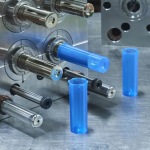
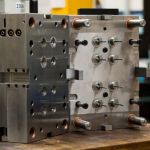
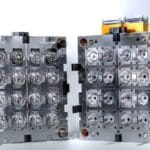
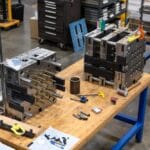
The mold is the single biggest factor that determines the price of mold injection. The mold is a precision tool that can be made of hardened steel or aluminium to endure the repeated production runs of the machines, thousands or even millions of times.
A few key steps involved in manufacturing a mold include:
- CNC machining and EDM (electrical discharge machining)
- A good deal of toolmaker manpower
- Several iterations in testing and modification
- Very durable materials being used
Since each mold is tailored-made for a particular part design, it is impossible to find an alternative solution to such problems – Because of this, that level of accuracy is not the cheapest option.
- Design and Engineering Complexity
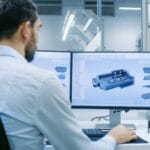
Even before a mold is made, a part and it’s related tooling must be created by the engineers to prevent problems like warping, sink marks or short shots. For this activity, one needs:
- Creating 3D CAD models
- Applying flow simulation analysis
- DMFR reviews (Design for Manufacturability)
This initial engineering stage does not only make the production process longer but it also needs to be done by more skilled staff. Though, doing so greatly reduces the likelihood of mistakes and So the possibility of incurring costs.
- Machine Investment and Operating Costs
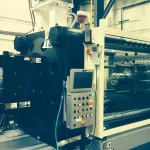
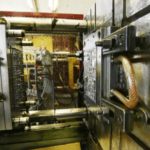
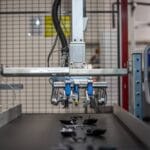
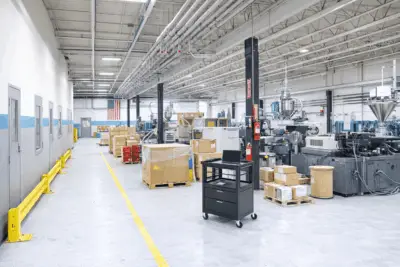
Investing in an injection molding machine is quite capital-intensive as it is basically a piece of industrial equipment. These machines involve not only an initial large investment to purchase it but also require money for continuous maintenance, trained workers, and a lot of electricity to operate – mainly for the case of a large-tonnage machine working out bigger or more complicated parts. These costs are eventually reflected in the finished product’s price.
- Material Costs
Engineered resins with particular characteristics like heat resistance, flexibility, and strength are usually high-performance plastics. These materials are more priced than general-purpose or commodity plastics. The material choice will greatly impact the functionality of the part as well as the total expenditure for the project.
- Low-Volume vs. High-Volume Production
To get the full cost benefit, injection molding should be considered mainly for producing a very high quantity of the same parts. The initial cost of the Mold can actually be amortized on thousands or even millions of parts. This fact is responsible for the significant reduction in each part’s price at high production volume levels. When the quantity to produce is low, the Mold cost is the main component of the Budget, which makes per-part pricing look like a very high price, although the real per-unit cost goes down A lot with production increase.
- Quality Control and Precision
Molded plastic injection can produce parts that are extremely accurate and are the same every time. To keep that level of precision constant, continuous visual inspection, equipment calibration, and a good quality assurance system are needed, which are also the components that justify the extra expenditure for the production process.
Is Injection Molding Worth the Investment?
Even though injection molding takes initial capital, it is one of the best methods for producing plastic parts on a large scale, with lowest unit cost.
Injection molding is a great option for automotive and consumer goods industries where production numbers are up to several hundred thousand per year. Montrose Molders can not only guide you through the design aspects but also advise about which molding grade should be selected for your product and help you to make a sound decision on mold tooling at a very economical way, so you can minimize all your production costs and achieve the maximum return from the investment made.
Final Thoughts
The main reason why injection molding has high costs is the tooling intricacy, engineering accuracy, and the need for expensive equipment, Though, the spending pays off on velocity, regularity, and high volumes of production. Once you become knowledgeable about the elements which cause the expenses, it will allow you to optimize your planning process and be honest in anticipating the outcome of your future work.
Frequently Asked Questions (FAQs)
Q1: What is the most expensive part of injection molding?
A: Mold or Tooling is usually the biggest investment since it is a matter of machining and customized design for a specific part.
Q2: Does injection molding get cheaper at higher volumes?
A: Definitely yes, the unit cost drops quite a bit with production volumes going up. The reason is quite simple: Mold cost is divided among the large number of the parts.
Q3: Why does part complexity affect injection molding cost?
A: Besides intricate Mold designs, complex parts can also involve more engineering hours and sometimes tooling with several cavities of different materials resulting in higher prices for each unit.
Q4: Is 3D printing cheaper than injection molding?
A: Yes, for a prototype with low volume, 3D printing can be a better choice financially. But for large-volume production injection molding is more economical as it has the advantage of a much lower per-unit cost.
Q5: How can I reduce injection molding costs?
A: Design for manufacturability is a great place to start. The right material choice is another factor. Finally, by working closely with your injection molder to define the production volume requirements you will be able to cut costs through various cost-saving avenues.