
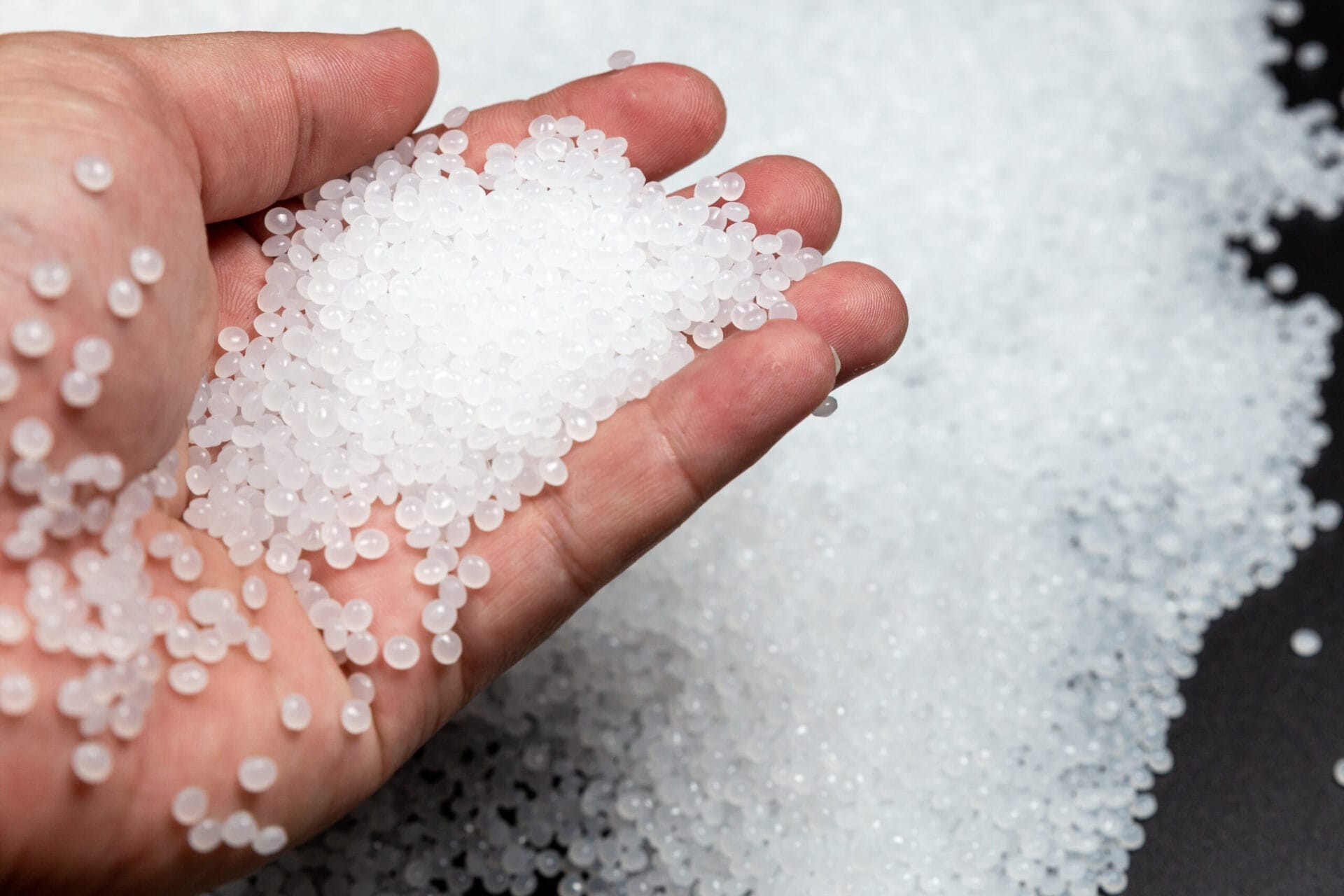
Selecting the right material is amongst the most important decisions in the injection molding process, and also one of the most ignored. For Original Equipment Manufacturers (OEMs) the plastic resin selected for a project is more than just defining the tactile aspect of the end product. It is a key factor that will influence the unit cost, manufacturability, lead times, tool-making strategies and the long-term product reliability. Material selection is a balancing act between high-performance requirements and the overall cost of plastics manufacturing.
At Montrose Molders Corp, we work closely with OEMs every day, helping them to overcome these challenges, finding ways to improve product performance while cutting down on unnecessary costs.
This guide is intended to be a reference point for making material decisions that achieve the best results for both engineering and procurement departments in your business.
Why Material Selection Matters
Resin is the “DNA” of an injection molding production run. Its properties influence almost all technical aspects of the manufacturing lifecycle:
- Part Performance: Impact strength, flexibility, and thermal resistance are just a few of the essential features that help determine the quality of a part.
- Injection Mold Design: To create a tool that is capable of molding parts using different resins, it is necessary to take into account the resin shrinkage rate and the flow property of the resin.
- Cycle Time and Cost: Parts produced using materials that can cool quickly or flow easily leads to the reduction of the cycle time. This, in turn, results in the reduction of the cost per part.
- Tool Life: Molds can wear out quicker if the materials used are abrasive, and that may lead to frequent changes of the molds or the use of more expensive hardened steel.
If you choose the wrong material, you might end up with a whole series of failure problems, including higher costs, quality defects like warping or sink marks, and very long production times. On the other hand, selecting the right one sets the stage for efficient, scalable, and profitable manufacturing.
A Breakdown of Common Injection Molding Plastics
Knowing the simple “material menu” is the beginning of the journey to optimization. Here are the most extensively used resins in current manufacturing:
ABS (Acrylonitrile Butadiene Styrene)
- Main features: It is strong, has very high impact resistance and can be given a very good finish.
- Typical uses: Mainly in consumer electronic goods and very sturdy industrial housings.
Polypropylene (PP)
- Main features: Very light and very cheap option with very high chemical resistance.
- Typical uses: Best suited for very large-scale packaging as well as some car parts.
Polyethylene (PE)
- Main features: Very flexible, tough, and chemically non-reactive; thus, it remains stable in quite different conditions. Being lightweight and resistant to almost all chemicals, PE is considered the most versatile plastic in the market.
- Typical uses: It can be found in almost all types of packaging, agricultural films, and pipes.
Nylon (PA/Polyamide)
- Main features: It has a very high mechanical strength and excellent abrasion resistance; it is especially good for making gears.
- Typical uses: Moreover, it also possesses very good resilience and low friction. But on the downside, it absorbs moisture.
Polycarbonate (PC)
- Main features: It stands out from the crowd with its extraordinary impact strength and it can be made transparent.
- Typical uses: It is the first choice for manufacturing of safety goggles, spectacles, and outdoor gear.
Key Factors to Evaluate During Selection
- Mechanical Requirements
Engineers have to determine what physical properties the component “must-have”. Will the component need to last a drop? Will it be under a constant pull? Is it necessary for it to snap into place? The golden rule of cost control is to select a material that meets but does not excessively exceed the requirements.
- Environmental Conditions A component that works great in a lab might fail when used in a field. You have to think about exposure to:
- Temperature Extremes: Could cold make the plastic brittle and heat make it soft?
- UV Light: Does outdoor exposure cause yellowing or deterioration?
- Chemicals: Do cleaning agents, oils, or fuels cause the material to crack?
- Total Cost Considerations
Costs of materials are commonly worked out “per pound,” but such a figure can be very misleading. For example, a low-cost resin that is accompanied by a 60-second cooling cycle might turn out to be more expensive than a high-cost resin that does its cooling in 30 seconds. The secret to discovering the real cost is to include time of cycles, scrap rates, tool wear, and long-term warranty risks in your considerations.
- Processing Behavior
Different types of resins show different behaviors when subjected to pressure. Quite a few of them have a high “melt flow” which indicates that they can easily fill even very thin walls whereas some others are very thick and need high pressure. These traits lead to the need for more complicated injection mold design and result in the less efficient production as a whole.
The Impact on Tool Making and Mold Design
This link between the material and the mold is so tight that you cannot separate one from the other. They mainly come down to:
- Shrinkage: All plastics shrink upon cooling. So if you make a mold for a plastic that shrinks a lot, like polypropylene, and then you decide to use a plastic that shrinks less, like ABS, the parts won’t be to size.
- Tool Wear: Resins with fillers, for instance glass fibers for extra strength, are very abrasive. Working with these materials may necessitate the tool maker to go for hardened steel instead of the usual aluminum or P20 steel, which means a higher upfront cost for the tooling.
Common Material Selection Mistakes
Even experienced teams get to these traps sometimes:
- Over-Specifying: For example, selecting a premium engineering resin while a standard commodity plastic would have been sufficient.
- Ignoring Manufacturability: Selecting a resin known for being extremely difficult to process and this resulting in a high amount of scrap and inconsistent quality.
- Late-Stage Changes: Material change is done only after the tool has been manufactured. This generally leads to costly mold alterations due to the mismatch of shrinkage rates with the cavity dimensions.
Strategies for Cost Optimization
Materials changes can be a smart and strategic source of savings. Here are some ideas for you to think about:
- Resin Substitution: Is it possible for a changed common plastic to stand in for a costly specialty resin?
- Strategic Fillers: Going for glass or mineral fillers can make the plastic stiff enough not to require switching to a pricier resin.
- Regrind Integration: Making use of recycled or “regrind” material in the right places can dramatically reduce raw material expenses.
Why it’s a Strategic Business Decision
Choosing materials in the end is not only an engineering job it quite often comes down to a business choice. When you get it right, the whole process goes faster, brand loyalty can be strengthened through product reliability, and your margins will be quite attractive. To right it up, your injection molding partner should be present from the beginning at the design stage.
We at Montrose Molders Corp support OEMs in the process of validating their material choices by offering a combination of prototyping and testing. After resolutely cutting steel for the mold, the material will have been fully harmonized with your objectives so that the final product can be manufactured to the highest possible quality standards that have been mutually agreed upon between the two parties involved in this transaction.
Would you like to go and plan up your next project?
Today, try to find the right balance between your requirements for performance and your financial constraints so that you will have a more productive day tomorrow.