
What Is the Use of Injection Molding?
Injection molding is a very common manufacturing technique, not only is it among the most widely used in the world, but also with excellent justification. Whether you like it or not, a phone case and other similar small things are all produced through this process; in this way, injection molding is responsible for the production of myriad daily and industrial goods. But do you know the real function of injection molding, and the rationale behind its dependence on so many industries? Let’s get into the details.
What Is Injection Molding?
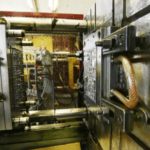
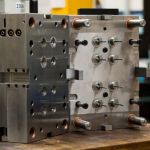
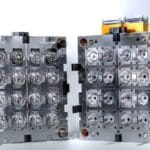
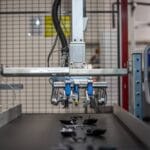
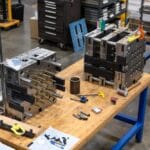
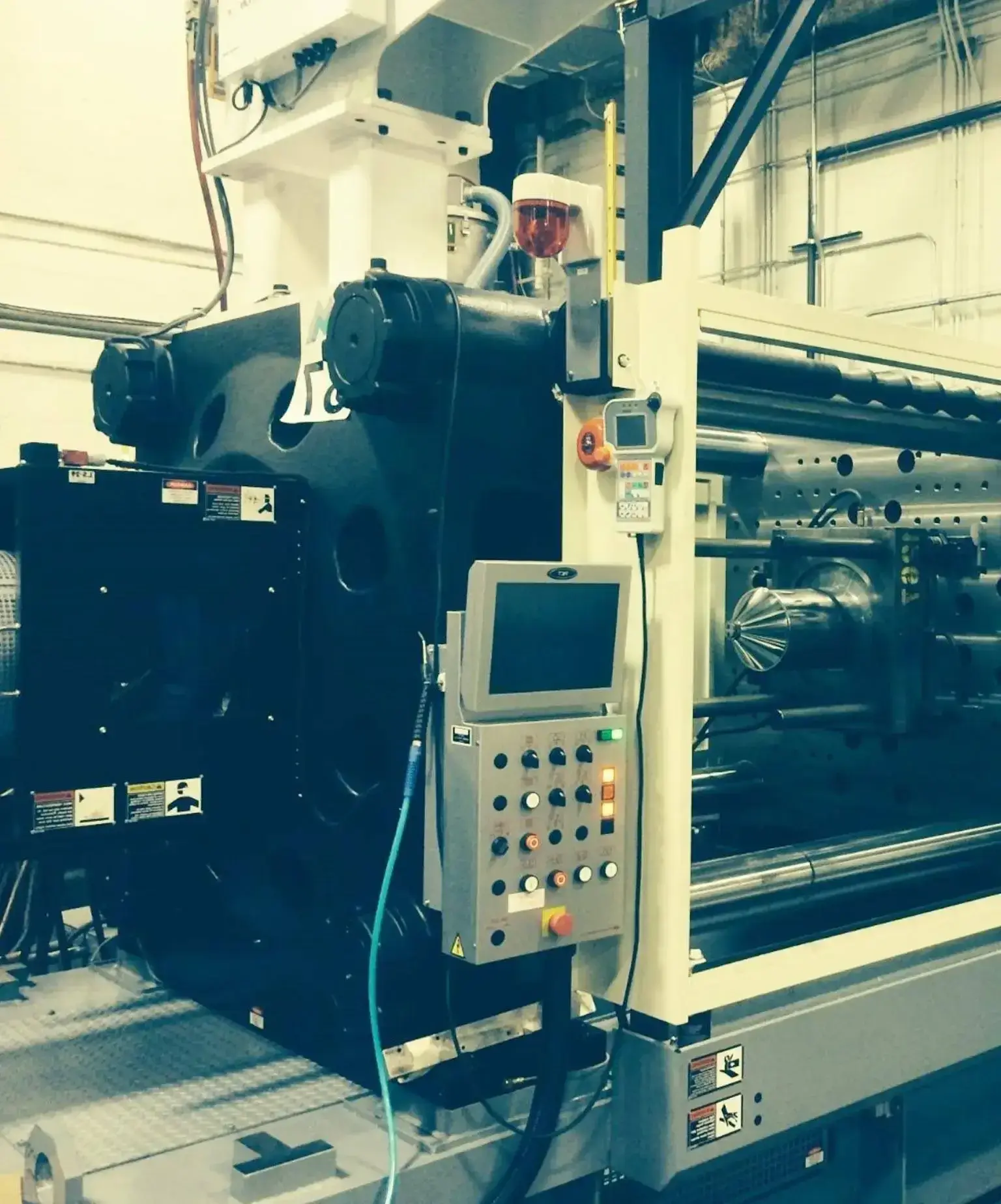
Injection molding is a manufacturing method in which melted polymer is being squeezed through pressure into a tailored Mold. After the plastic gets cool and hard, the Mold is opened and the ready-to-use part is taken out. These steps are repeated in no time so manufacturers can churn out massive quantities of same-looking items that are precisely accurate as well as homogeneous.
Key Uses of Injection Molding
- Automotive Industry
One of the largest manufacturing industries that extensively relies on injection molding is the automotive industry to make parts like:
- Dashboard panels and trim
- Bumpers and body panels
- Interior clips, housings, and connectors
- Under-the-hood parts requiring heat resistance
This process enables car manufacturers to create parts that are lightweight and can withstand harsh weather conditions as they are also durable and very precise. Also, this is a cost-effective way for mass production with high-quality parts.
- Consumer Products
A lot of household items and consumer products are made with injection molding method and they include
- Kitchenware and storage containers
- Toys and games
- Electronics housings (remote controls chargers phone cases)
- Furniture components
With the potential of injection molding to produce complex design products without compromising on quality one wonders why mass-produced products are so cheap. This technique is Mainly good for consumer products which have high volume demand.
- Medical Devices
The medical device industry has a major dependence on injection molding to make parts that are, among other things accurate sterile, and trustworthy like:
- Syringes and IV components
- Surgical instrument housings
- Diagnostic device casings
- Disposable medical tools
Special medical grades of plastics and very rigid quality assurance of processes make them perfectly fit to be employed in healthcare applications such as where there is the need for the product to be consistently clean and the same all the time.
- Packaging
The production of lots of packaging products is mainly based on injection molding:
- Caps and closures for bottles
- Jars cartons etc (in the form of small to large plastic containers)
- Packaging protection insert sheets
Such methods prove In particular useful if you need tough, multiple-use, or packaging items that have tamper evidence.
- Electronics and Appliances
Serving from tiny parts to major components, injection molding has become the standard manufacturing process in both the electronics and consumer product sectors providing parts such as:
- Sheet metal frames for printed circuits
- Operating controls and toggles that come in varieties of switches and buttons
- Screens and cabinets of home appliances
Injection molding guarantees accuracy, because of this allowing the components made in that way to be fitted properly and work consistently.
- Industrial and Aerospace Applications
Pieces of equipment for the industry, and some parts of aircraft, made out of injection-molded plastics can be used to achieve lightweight and high-strength properties in the substitution of materials without loss of performance.
Why Industries Choose Injection Molding
Injection molding remains a top choice across industries because it offers:
- High repeatability — every part produced is nearly identical
- Design flexibility — complex shapes and fine details are achievable
- Material variety — a wide range of plastics and additives can be used
- Efficiency at scale — ideal for high-volume production runs
- Reduced waste — excess material can often be recycled
Final Thoughts
What is the use of injection molding, you ask? Well basically it is one of the manufacturing methods which can be found nearly in every industry, such as automotive, medical devices packaging consumer electronics etc. The production of high-quality, uniform parts in great quantities that are achieved with this method is what has made it one of the favourites among businesses aiming to efficiently introduce their products on the market.
Montrose Molders, like other manufacturing experts, can guide you in selecting appropriate materials, designs, and production techniques for your project if you’re planning to take the injection molding road.
Frequently Asked Questions (FAQs)
Q1: What industries use injection molding the most?
A: Major industries that Really depend on injection molding technology for their manufacturing processes include automotive, medical devices, consumer products packaging electronics, etc.
Q2: What types of materials can be used in injection molding?
A: : In general, a wide array of thermoplastics can be used in the injection molding process, given the desired strength, flexibility, and durability characteristics of the part. ABS polypropylene polycarbonate, nylon, and other similar plastics are typical examples.
Q3: Why is injection molding preferred for mass production?
A: Injection molding method makes it possible for manufacturers to output great quantities of identical and ultra-precise parts in a very short time. The process That means is a low-cost operation for large-scale manufacturing.
Q4: Can injection molding be used for small or complex parts?
A: Injection molding can Actually be used to manufacture both the smallest and intricate parts and the biggest most complicated parts with great detail. It has proved to be one of the most flexible methods there is in manufacturing.
Q5: How do I know if injection molding is right for my product?
A: The optimal decision is influenced by several elements that go through the production quantity, part complexity, material requirements, and so on. Contacting manufacturing expertise is a great idea. Partner companies like Montrose Molders would be able to guide and advise the appropriate method for your project.