
In a manufacturing world optimized for scale, high-mix, low-volume injection molding is often treated like an inconvenience. Many molders chase long runs, predictable forecasts, and tooling that never leaves the press. But for OEMs managing legacy products, pilot programs, or specialty components, flexibility—not scale—is what actually matters most.
These overlooked programs still generate revenue, serve loyal customers, and support broader product portfolios. The challenge is finding a molding partner built to handle variability without friction.
Why Many Molders Struggle With Low-Volume or Variable Demand
Most injection molders are structurally misaligned with low-volume work. Their businesses are optimized around:
-
Long production runs with minimal changeovers
-
Narrow press ranges focused on repeat jobs
-
Tooling and processes designed for a single “ideal” part
When volumes drop, demand becomes lumpy, or part families diversify, these shops face higher setup costs, scheduling headaches, and margin pressure. As a result, smaller or variable programs get deprioritized—or priced out entirely.
For operations and procurement teams, this creates real risk: aging products become harder to support, suppliers push for end-of-life decisions prematurely, and internal teams are left managing exceptions instead of focusing on growth.
How Flexible Press Ranges Enable Smarter Production
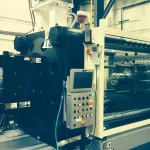
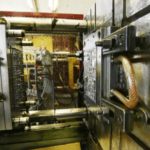
True high-mix capability starts with press flexibility. A molding operation with a broad tonnage range—roughly 40 to 1000 tons—can right-size production instead of forcing parts into the wrong machine.
That flexibility enables:
-
Efficient runs for small, low-cavitation tools
-
Smooth transitions between part sizes and materials
-
Better scheduling for short runs and repeat “legacy” jobs
-
Lower per-part cost without artificial minimums
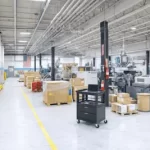
Just as important, flexible shops invest in quick-change tooling, disciplined process documentation, and experienced technicians who thrive on variety. The result is predictable output—even when demand isn’t predictable.
Where High-Mix, Low-Volume Molding Really Shines
Some of the most valuable injection molding programs don’t look impressive on a volume forecast—but they matter deeply to the business.
Legacy products
Older SKUs often serve long-standing customers or regulated markets. They may only run a few times per year, but failure to supply them can damage relationships or create costly redesigns.
Pilot programs and early production
New product launches rarely start at scale. Flexible molders can support bridge tooling, iterative design changes, and short runs without forcing premature commitments.
Specialty or niche components
Industrial, commercial, or infrastructure products often rely on parts that will never be high-volume—but must be made correctly every time.
In each case, the value isn’t in millions of parts—it’s in continuity, reliability, and optionality.
What Operations and Procurement Teams Should Look For
If you manage programs that don’t fit the “high-volume, steady-state” mold, the right partner will:
-
Welcome variability instead of resisting it
-
Offer a wide press range to match part requirements
-
Maintain tooling and processes for long product lifecycles
-
Treat small programs as strategic, not transactional
High-mix, low-volume injection molding isn’t a compromise. When done well, it’s a competitive advantage—especially for organizations balancing innovation with legacy responsibility.
When flexibility matters most, the right molding partner makes all the difference.